How to set up a nursery
Furniture, layout, lighting and a safety checklist — how to get a practical, safe nursery ready before your baby arrives.
· 4 min read
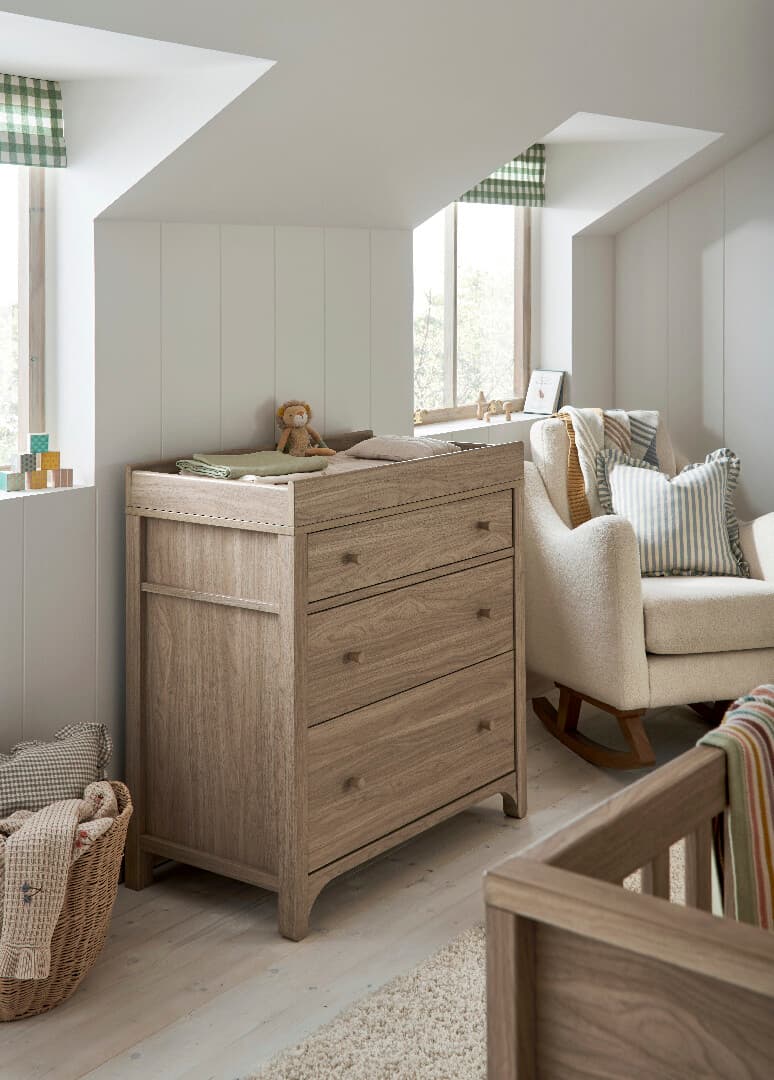
Setting up the nursery is one of the nicest jobs while you wait for your baby. But before choosing colours and decor, it's worth thinking about how the room will work during night feeds, nappy changes and bedtime — and how to make it safe. Here is where to start.
Start early
Aim to have the room ready a few weeks before your due date. Choosing, delivering and assembling furniture and painting the walls all take time, and after painting or bringing in new furniture the room needs a good airing.
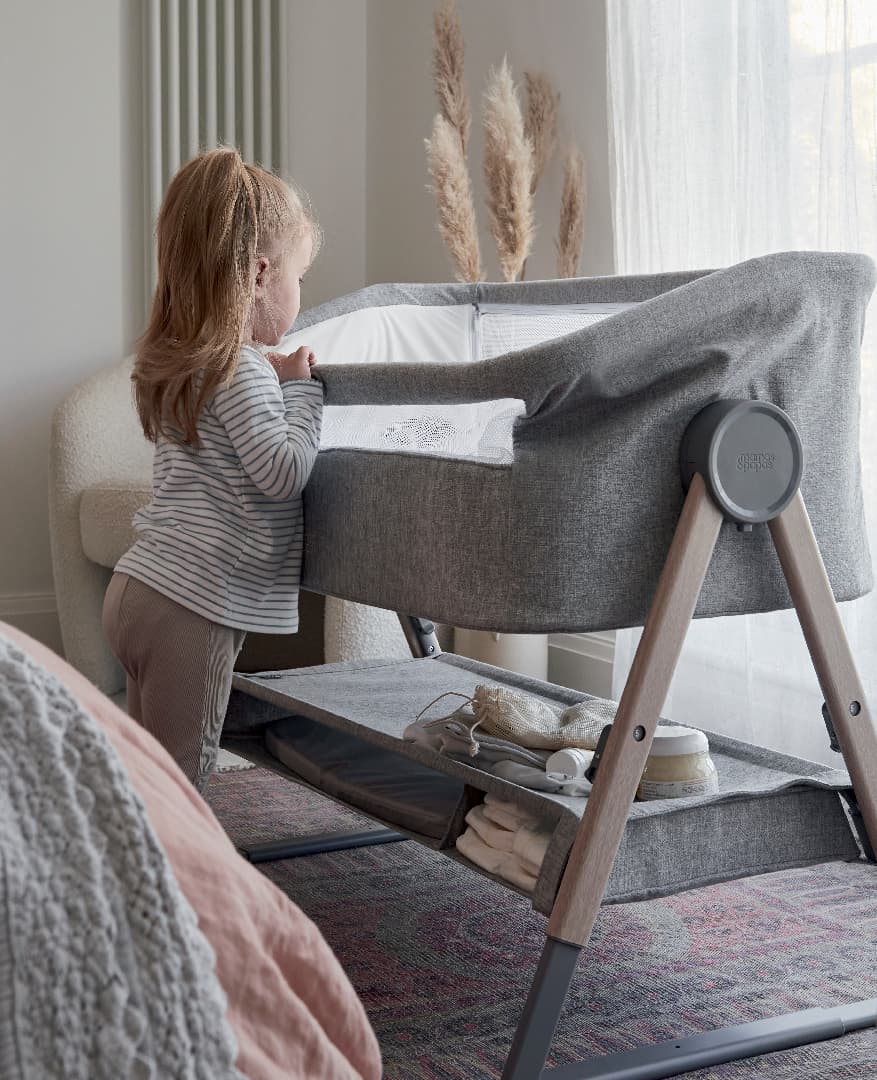
Many parents keep their baby in their own bedroom for the first months — for example in a Lua bedside crib that stands next to the parents' bed. In that case the nursery starts out as a place for changing, storing clothes and playing, and your baby moves into their own cot later.
The key furniture
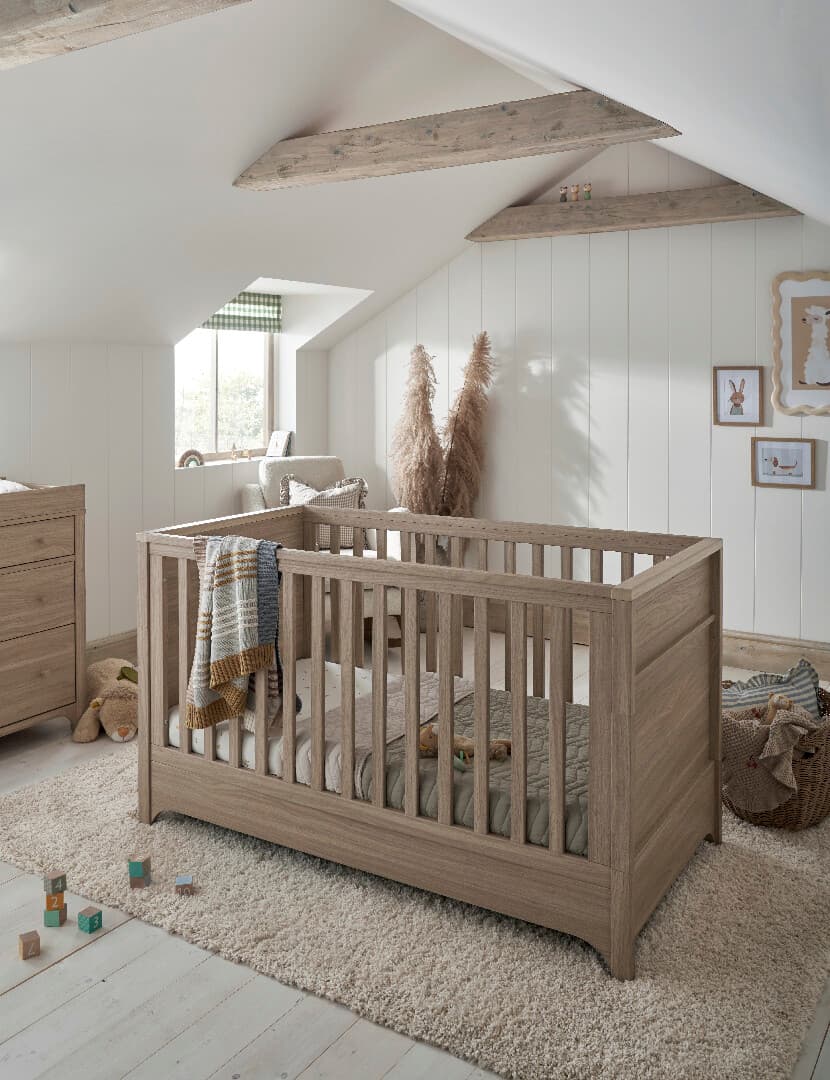
- Cot bed: the main piece in the room. A cot bed such as the Barton has three base heights and later converts into a low toddler bed, lasting until around 4 years old.
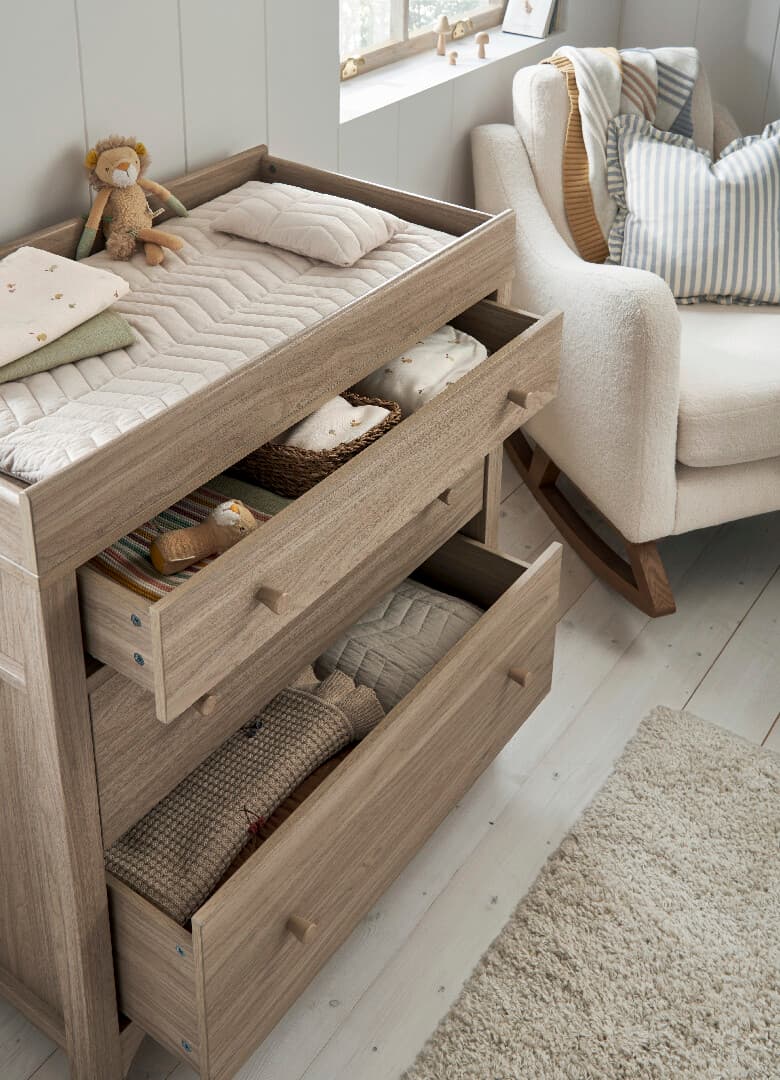
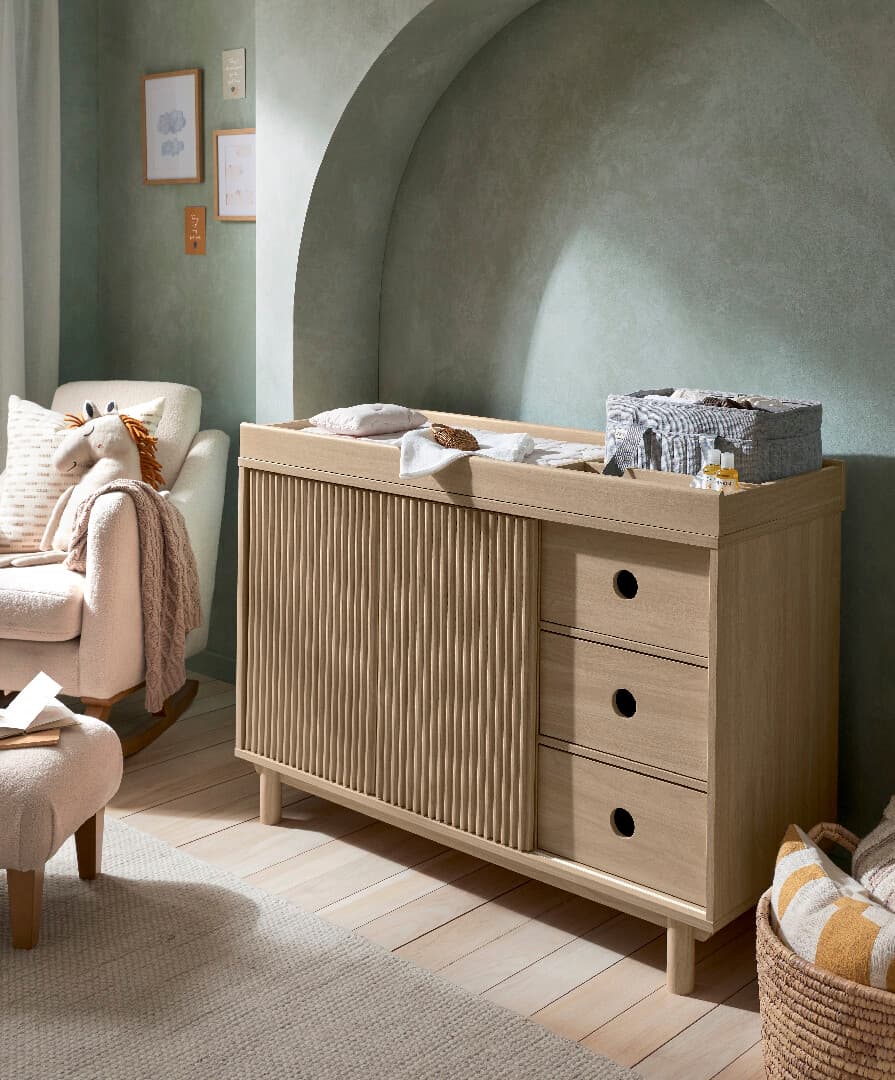
- Dresser changer: a changing area on top and drawers below. Choose one with a removable changing top, so it becomes a regular chest of drawers and lasts for years.
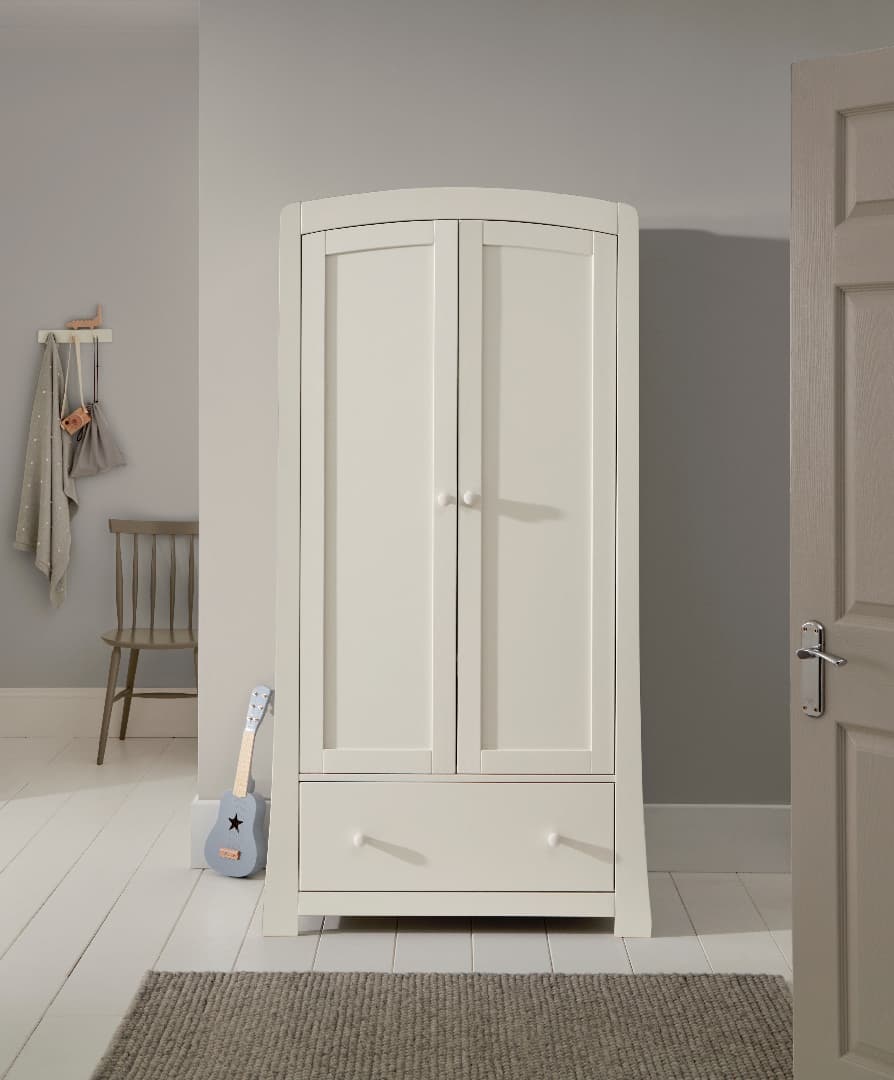
- Wardrobe: baby clothes are small, but there are lots of them. Hanging rails and shelves help you organise everything by size.
- A comfortable chair: for night feeds you need somewhere to sit comfortably with your back supported.
Mamas & Papas furniture often comes in collections — cot bed, dresser changer and wardrobe in the same style and finish — so it's easy to create a room that works together.
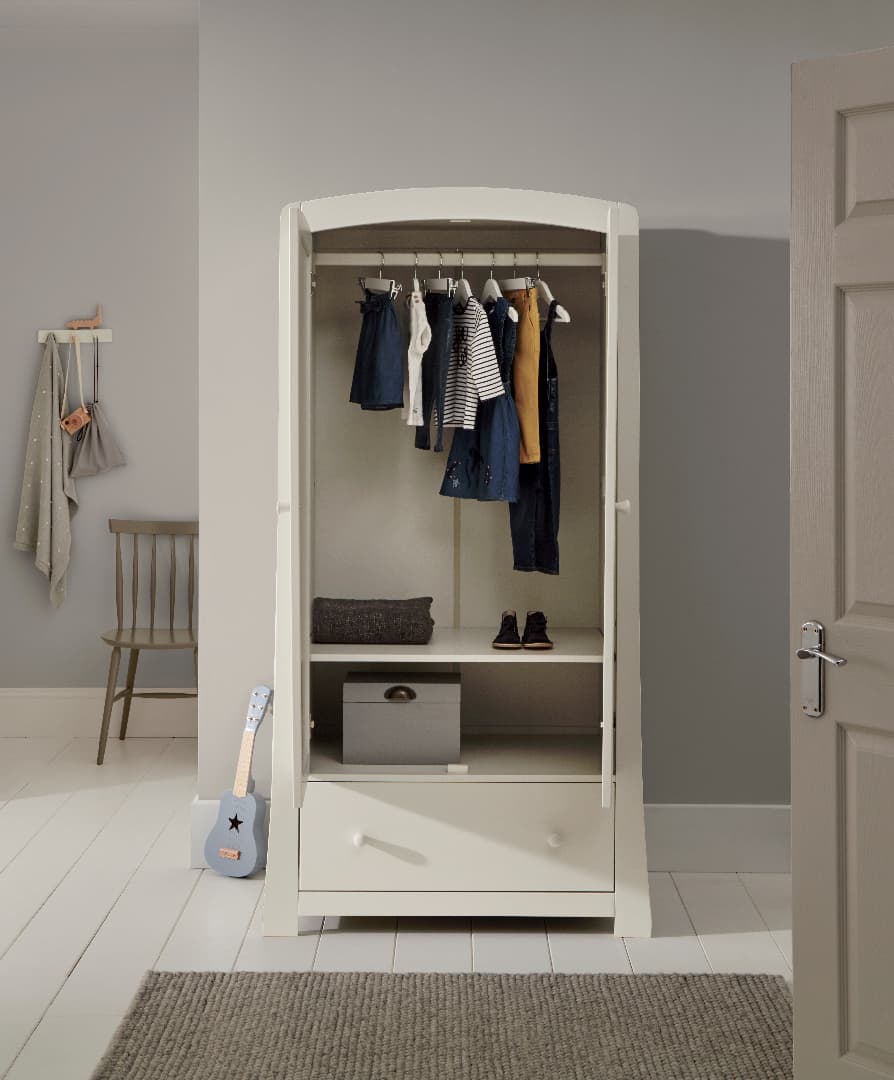
Plan the room in zones
Think of the room as a few small zones:
- Sleep zone: place the cot away from windows, radiators, heaters and curtain cords. Don't hang shelves or heavy frames above it.
- Changing zone: keep nappies, wipes, cream and clean clothes by the dresser changer so everything is within reach.
- Feeding zone: a chair, a small table for a glass of water and soft light.
- Storage: the wardrobe and baskets for toys and bedding.
Leave a clear path from the door to the cot: at night, in the half-dark, you don't want to trip over toys or cables.
Lighting
- Natural light is lovely by day, and blackout curtains help with daytime naps.
- For night feeds and changes, choose soft, dim light so your baby doesn't fully wake up.
- Keep lamps and their cables away from the cot and the changing area.
Safety checklist
A newborn doesn't move around yet, but within a few months they'll start rolling, crawling and pulling up to stand. It's easier to make the room safe in advance:
- Fix furniture to the wall: chests of drawers, wardrobes and shelving can tip over if a child climbs them or hangs on an open drawer.
- Cords: keep curtain and blind cords and appliance cables out of your child's reach.
- Sockets: fit socket covers.
- Temperature: the room shouldn't be too warm — around 16–20°C is often recommended. A room thermometer helps you keep an eye on it. Don't point an air conditioner or heater straight at the cot.
- Changing area: never leave your baby alone on it, not even for a moment. Get everything ready beforehand.
- Mobile: fix a cot mobile out of your baby's reach and remove it once they start pushing up on their hands and knees. Follow the manufacturer's instructions.
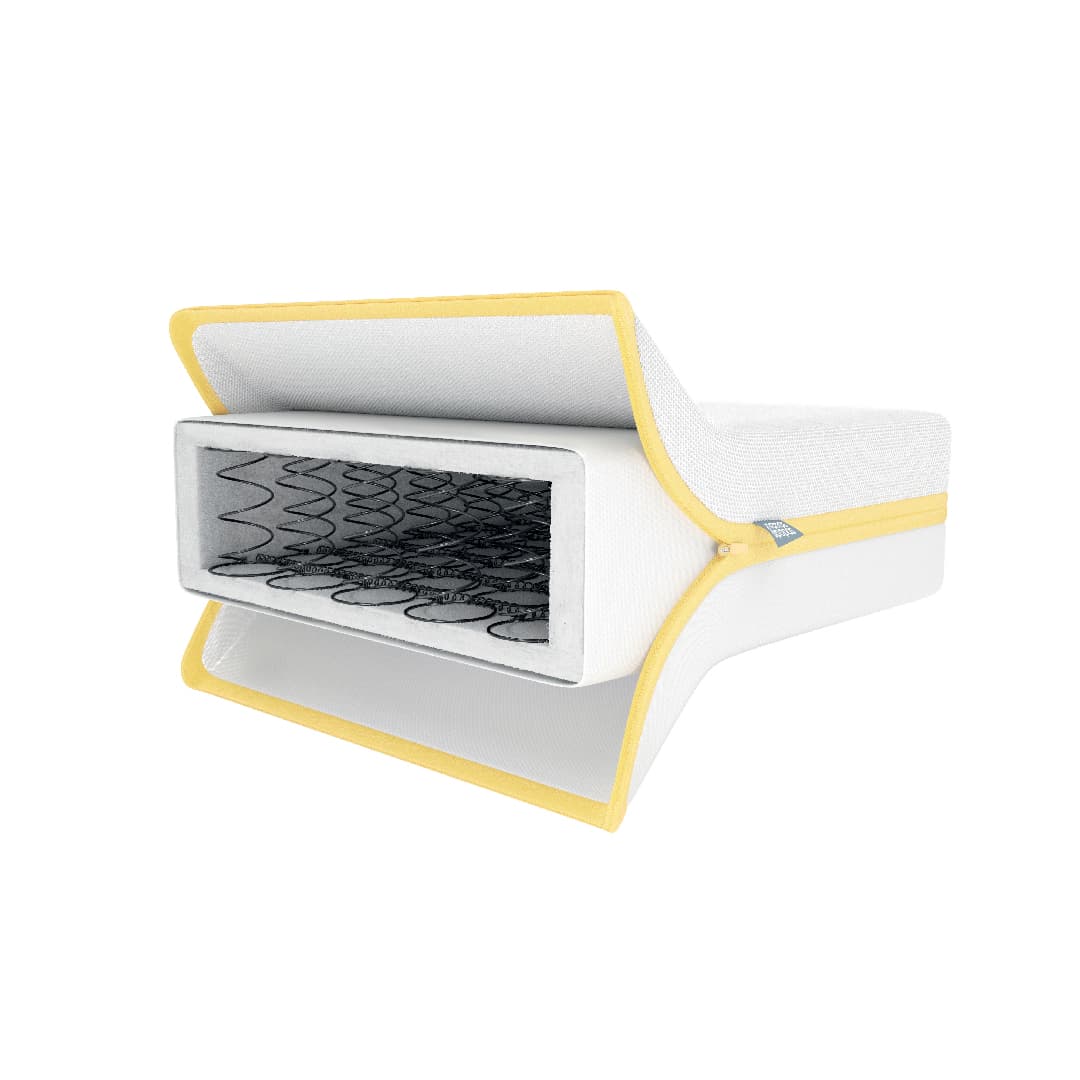
- Only a mattress and sheet in the cot: keep decorative cushions, soft toys and bumpers elsewhere in the room.
In short
- The room is ready and aired a few weeks before the birth
- The cot is away from windows, radiators and cords
- Everything in the changing zone is within reach
- Chests of drawers and the wardrobe are fixed to the wall
- Cords and sockets are out of reach
- There is a soft night light and blackout curtains
- There is a thermometer in the room
You can browse Mamas & Papas nursery furniture — cot beds, dresser changers and wardrobes — in our online shop or see it in person in our stores in Yerevan Mall and Dalma Garden Mall.